Insights and features on music, audio technology, and sonic innovation.
Showing 25 of 103
Articles
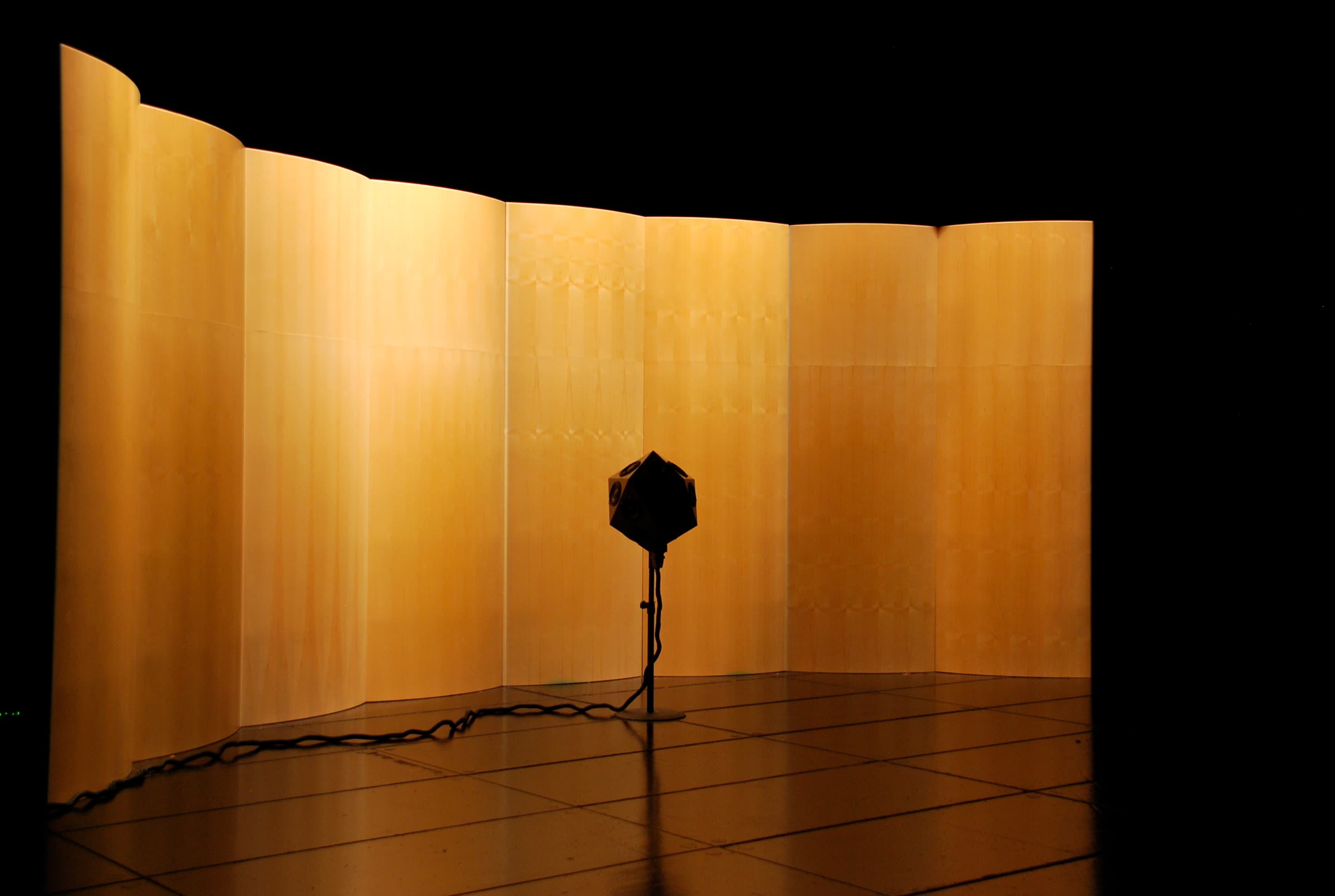
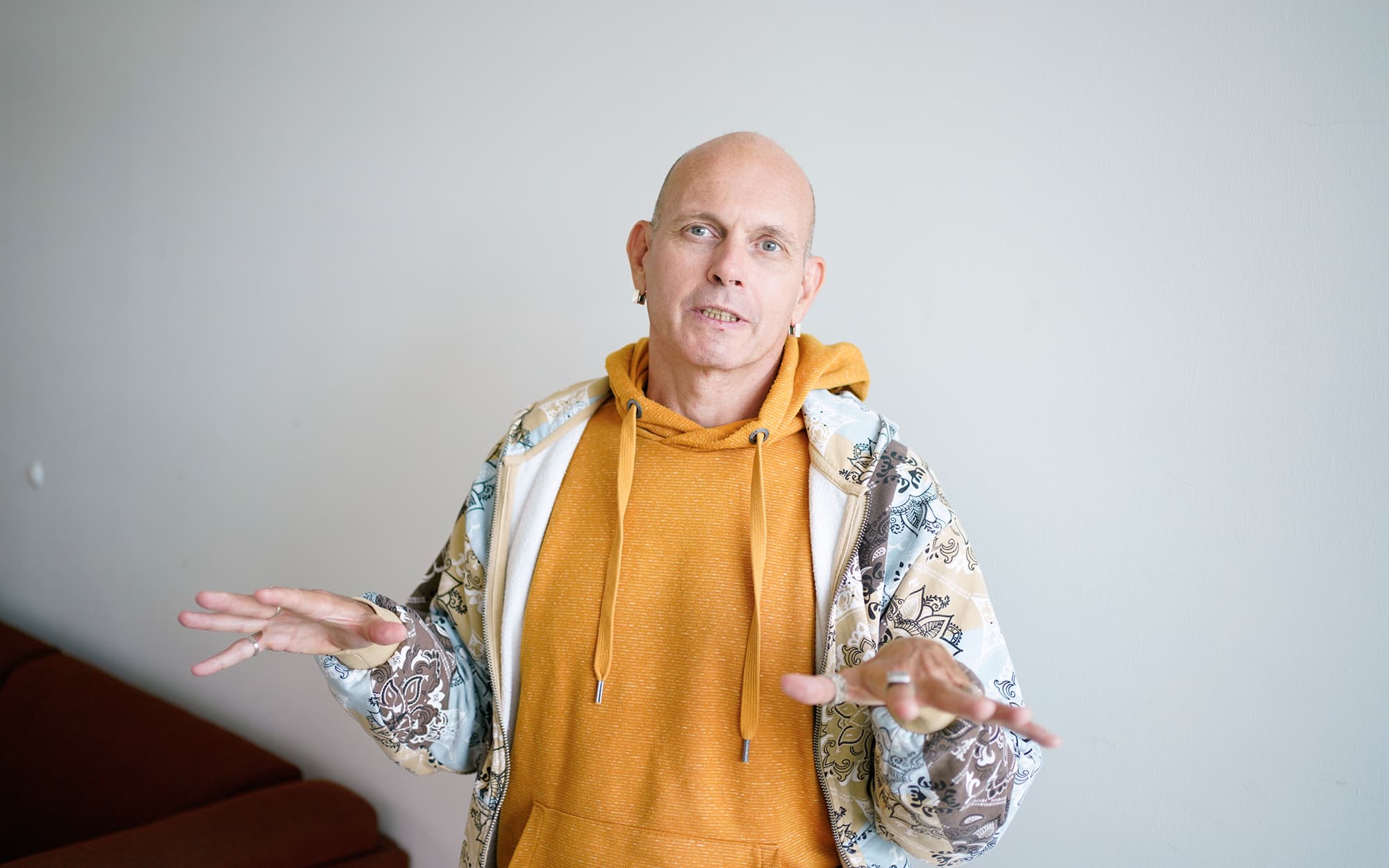
Gerriet K. Sharma works where sound stops coming from speakers — and starts shaping space itself. In this interview, the composer and co-founder of spæs Lab Berlin talks about the IKO loudspeaker system as a genuine instrument, the persistent gap between technical progress and artistic practice, and why 3D Audio means far more than a marketing promise. A conversation about the sculpturality of sound, the future of spatial aesthetics — and the questions nobody in the spatial audio scene is asking out loud yet.
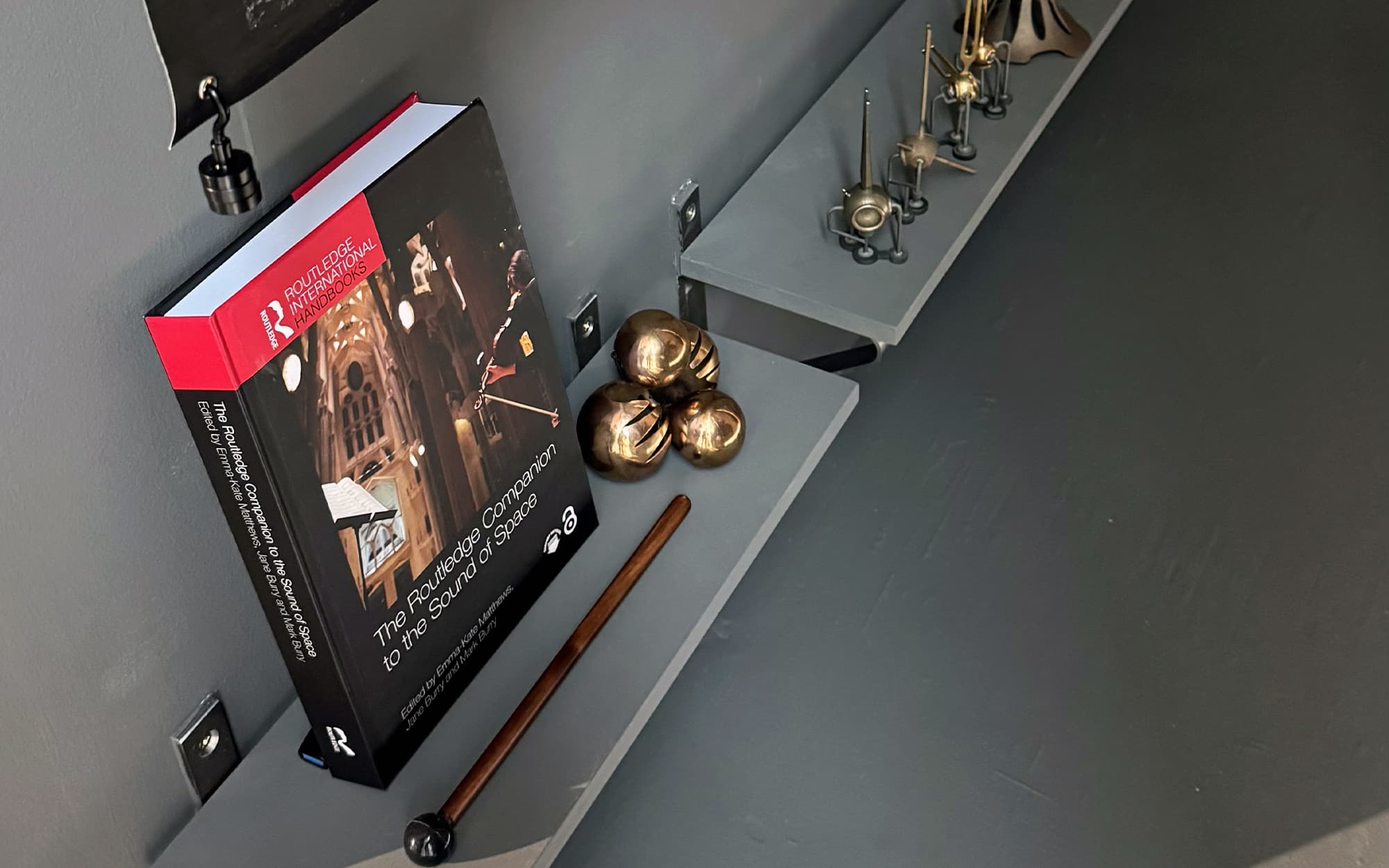
The Routledge Companion to the Sound of Space is a comprehensive collection of essays and accompanying sonic material written by practitioners and researchers across a wide range of disciplinary fields, addressing both the current state and future trajectories of works where sonic and spatial practices intersect. The volume was edited by myself, an architect, composer and academic, alongside Prof. Jane Burry (University of Adelaide) and Prof. Mark Burry (University of Melbourne), both architects whose work similarly operates across disciplinary boundaries.
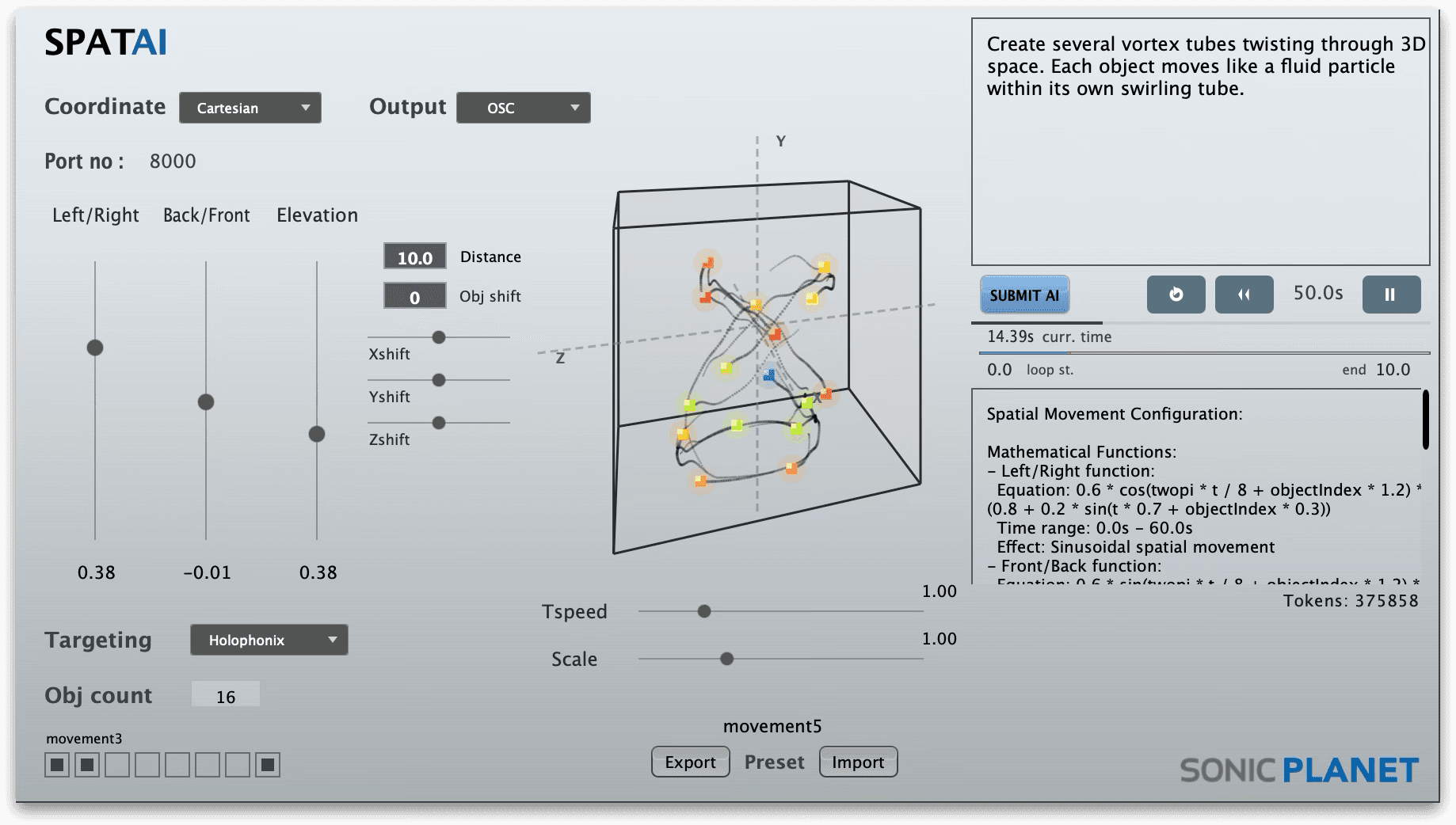
What if you could speak to your panner? SpatAI turns "make a chaotic spiral" into real-time control data, effectively replacing manual labor with algorithmic performance. We analyze how this tool uses AI to bridge the gap between language and spatial object management.
For anyone with basic audio production knowledge, this free course opens the door to spatial audio. Learn principles, psychoacoustics, and creative applications through interactive lessons and real-world case studies, exploring Ambisonics, Dolby Atmos, and beyond.
A data-driven diagnosis of the LATAM immersive scene. This article maps technical frictions, the reality of borrowed hearing, and the survival workflows professionals use to navigate a system not designed for their context.
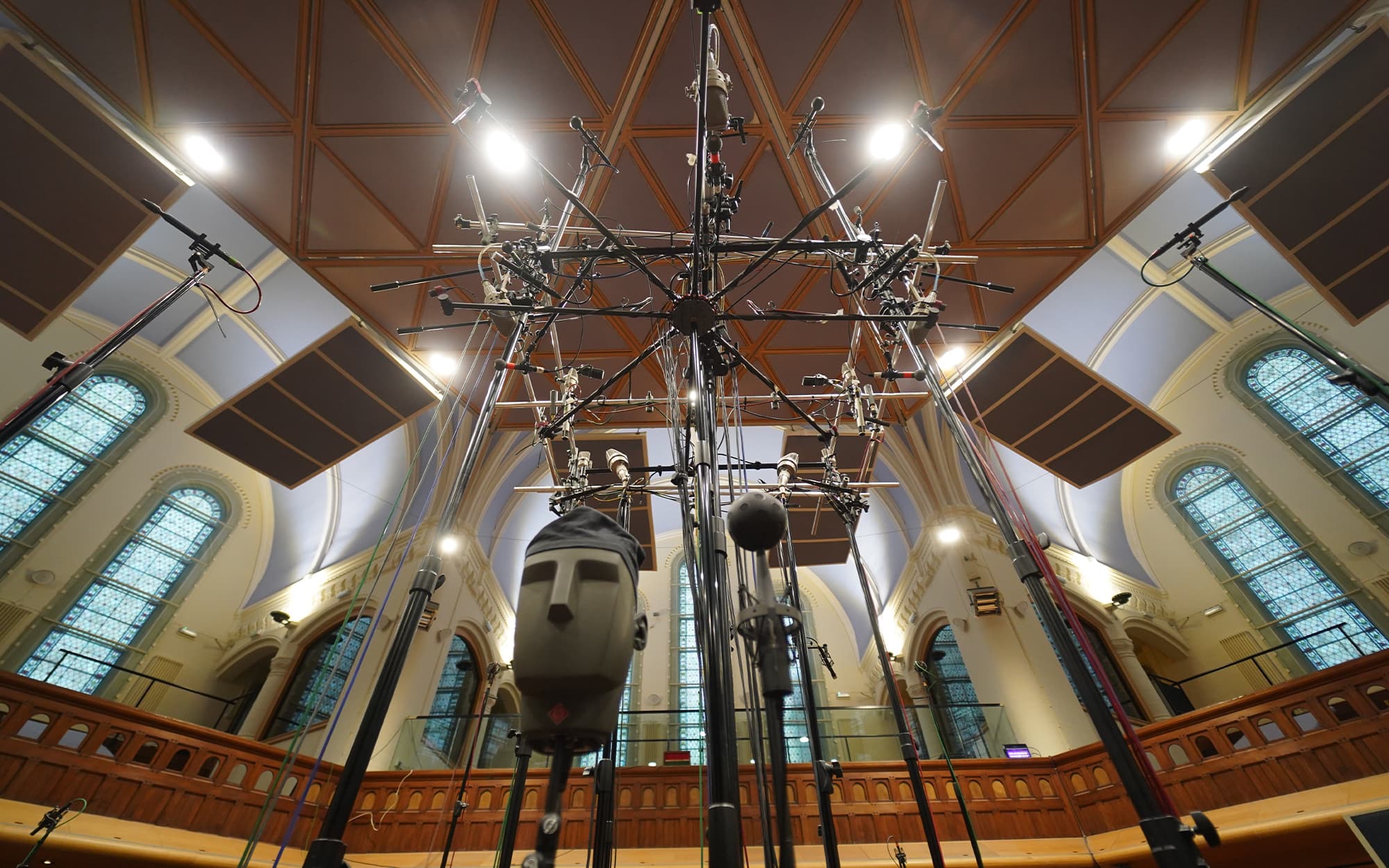
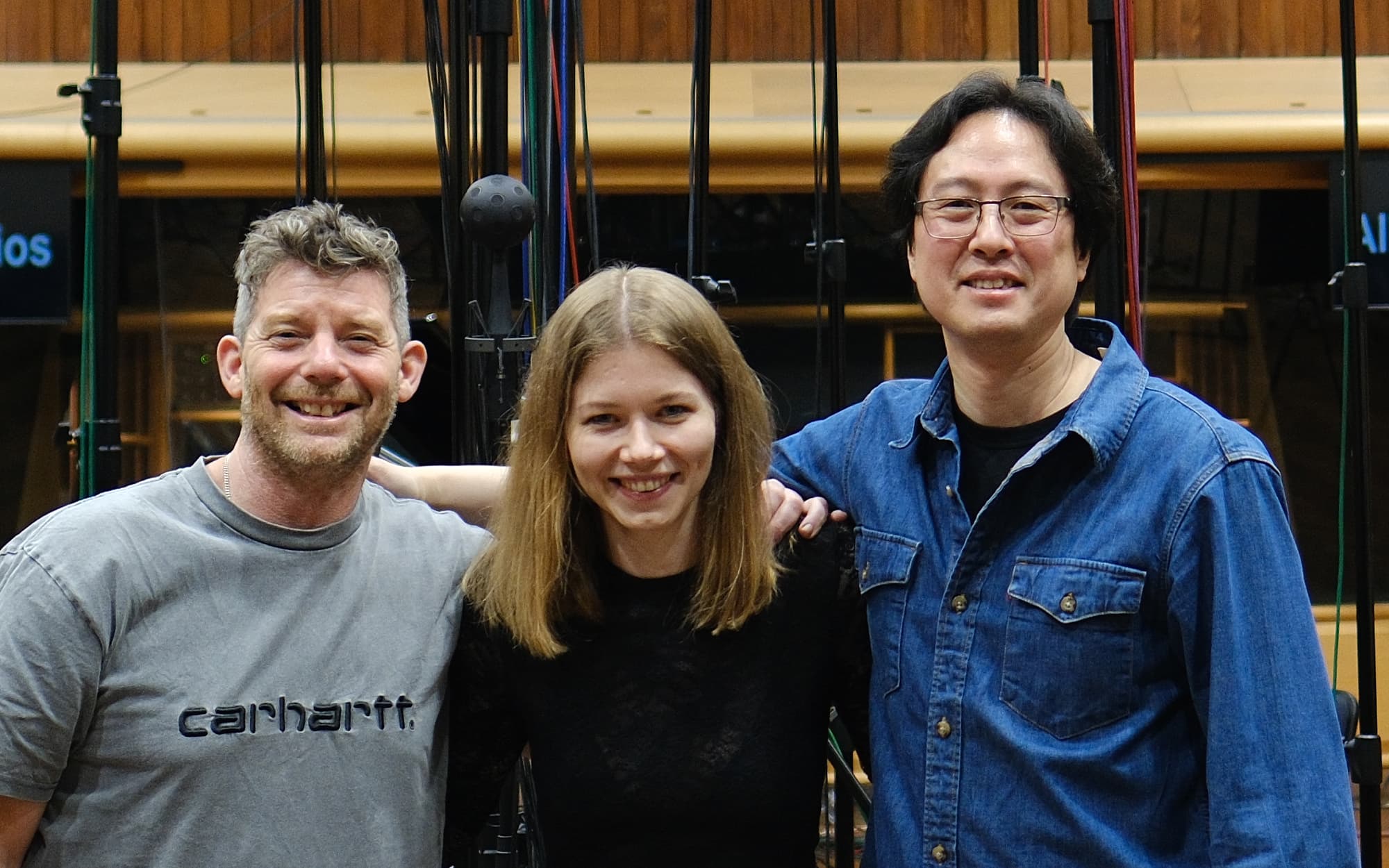
Step inside the orchestra. The ECHO Project offers a rare open-access look at immersive recording at AIR Studios. Featuring the London Contemporary Orchestra, Volker Bertelmann and top audio engineers, explore the story behind this massive resource for sound professionals.
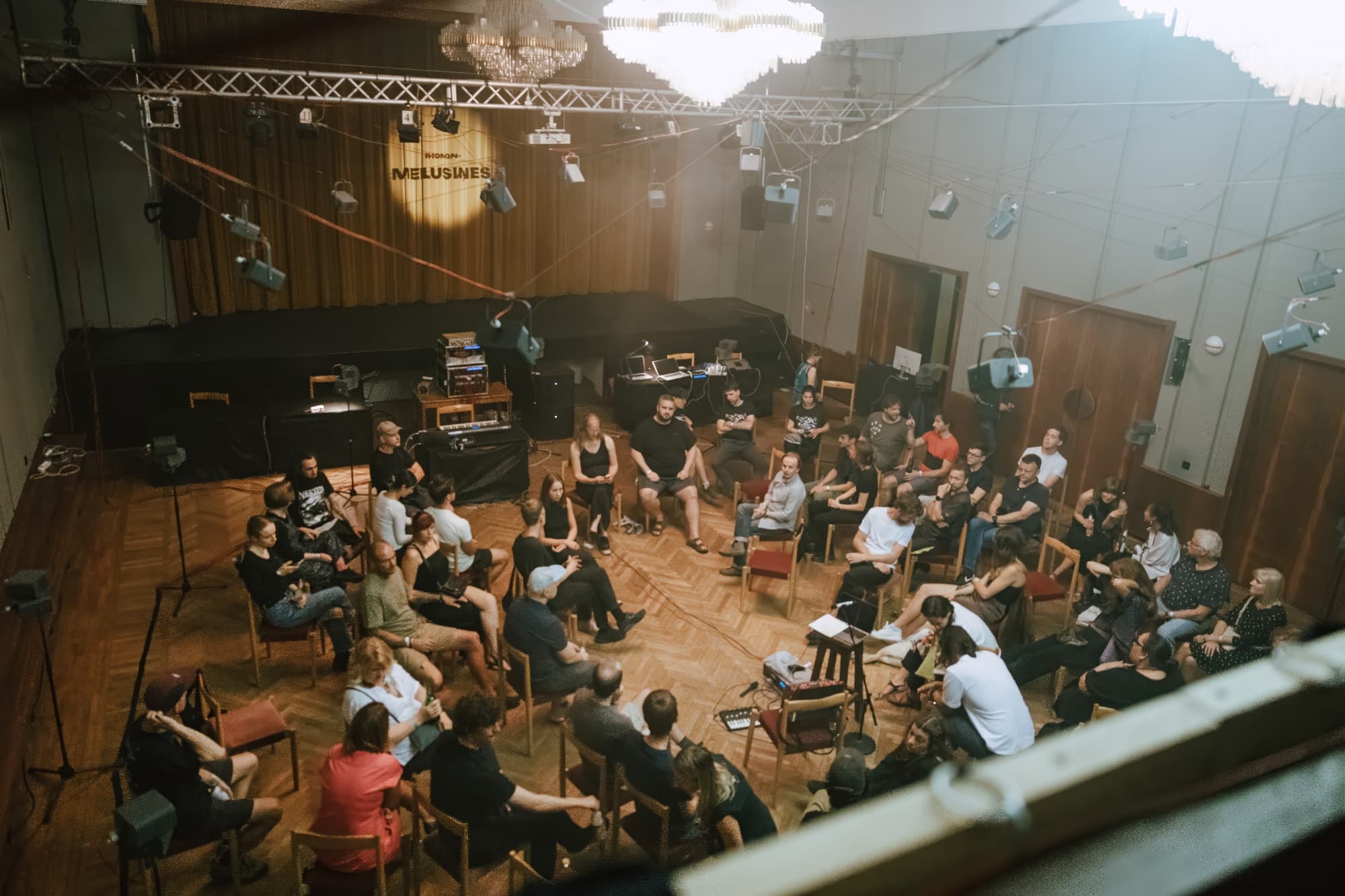
Contemplation on the role and potential contribution of DIY grassroots initiatives to the development of contemporary spatial audio field. The article unfolds through reflection on Ambisonic summer lab — an initiative made by artists for artists, built through collaboration, mutual help, and open exchange. By creating conditions and connecting people across countries, we aim to contribute to the emergence of a new scene for spatial music — one that values openness over competition, and curiosity over perfection.
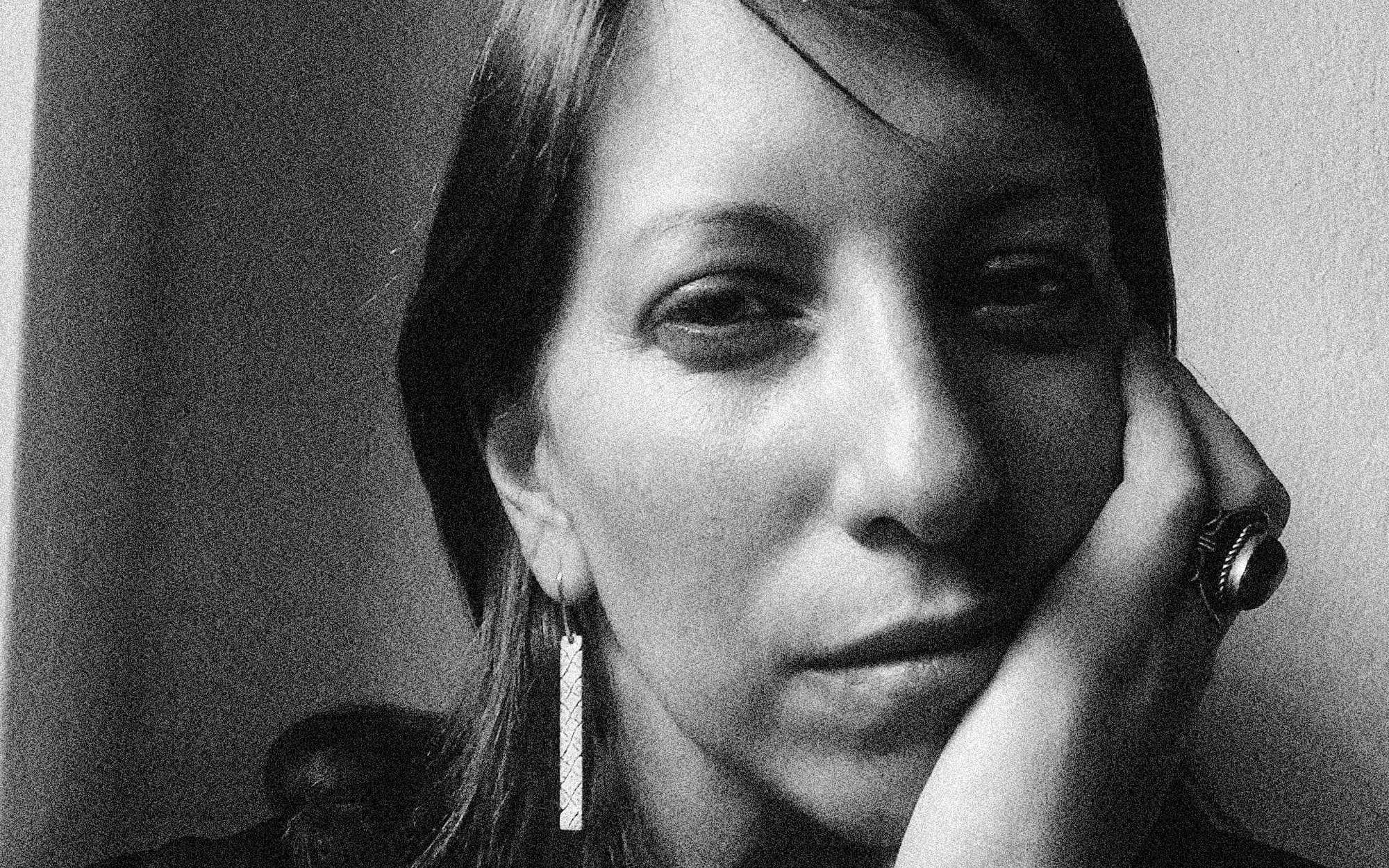
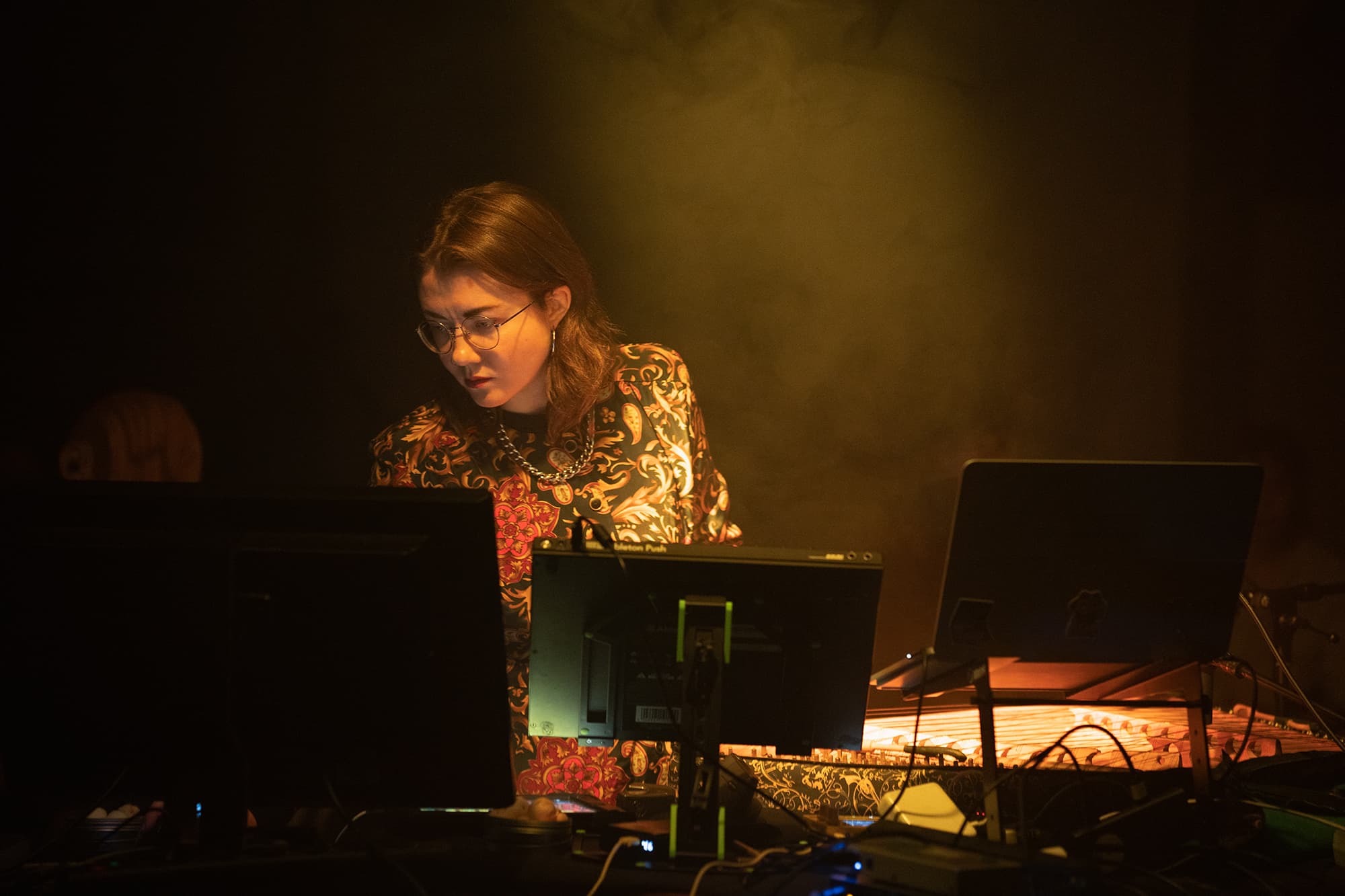
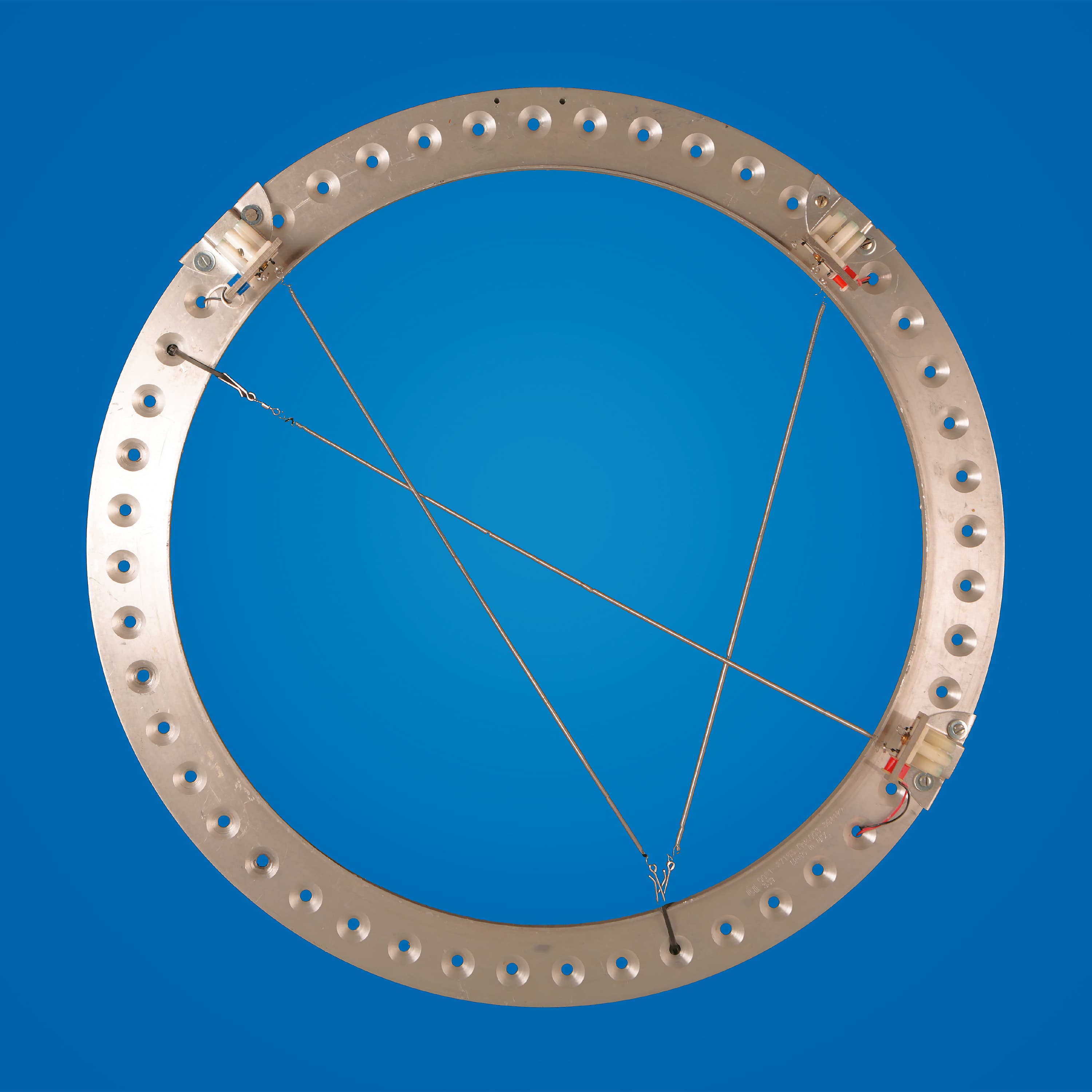
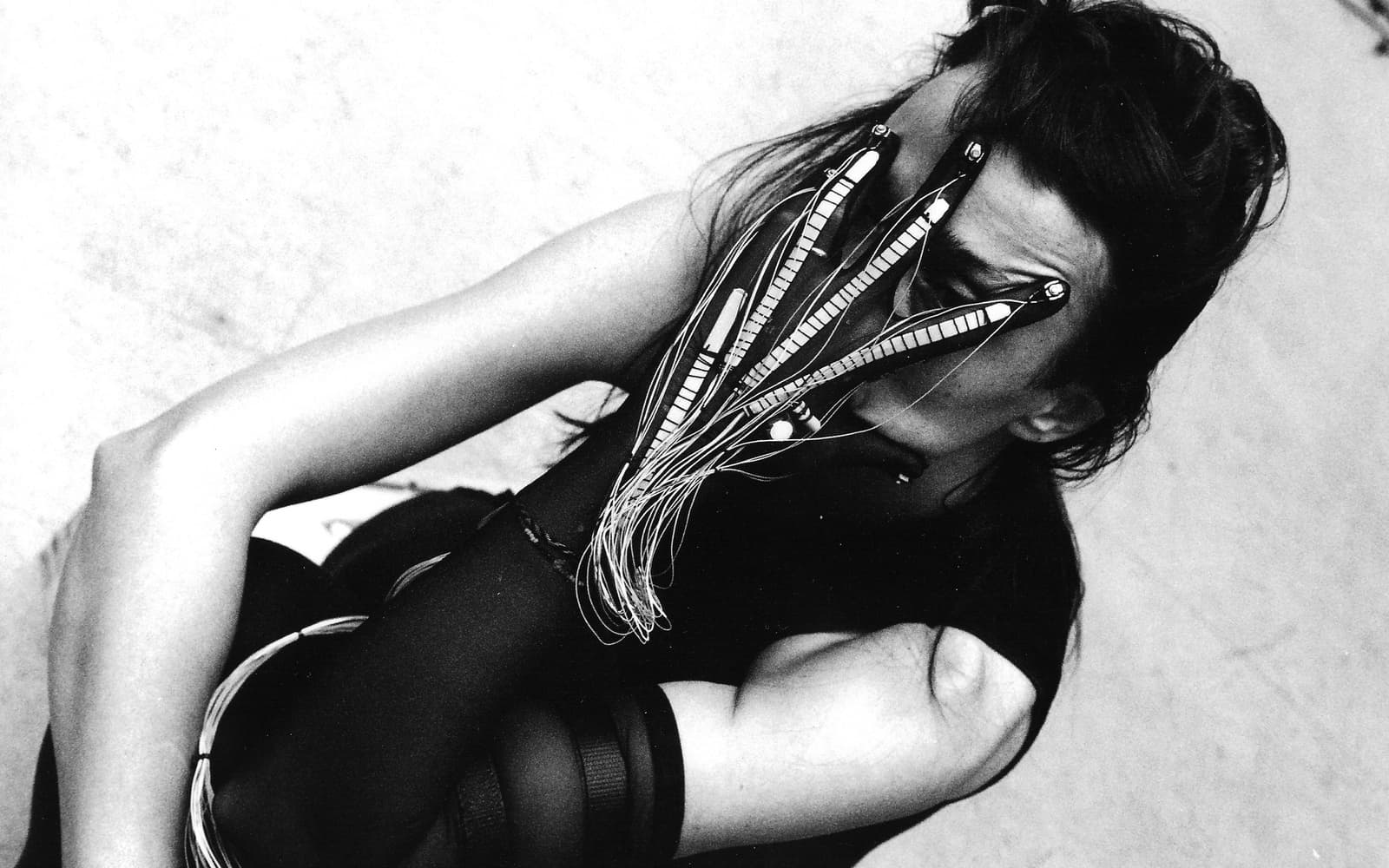
In A Song for Two Mothers and Occam IX, Laetitia Sonami and Éliane Radigue explore the transition from analog resonance to digital imagination. Paul DeMarinis reflects on sound, space, and time — connecting Radigue’s flowing Occam series with Sonami’s Spring Spyre instrument, where resonance, drift, and transformation become one continuous current of sound.
Concept-based explanations have emerged as an approach to make models explainable in a human-understandable way. In this article, we investigate extracted concepts for a music emotion recognition model. In a listening experiment, we explore properties of found concepts and show how to present them to users. The article is based on our paper and introduces only parts of our research. More information is provided in the paper.
Amidst the multitude of 3D audio formats like MPEG-H, Dolby Atmos, DTS:X and others, there is a new, open format emerging, IAMF. Let’s have a look at what it's all about and what it means for the future of immersive audio.
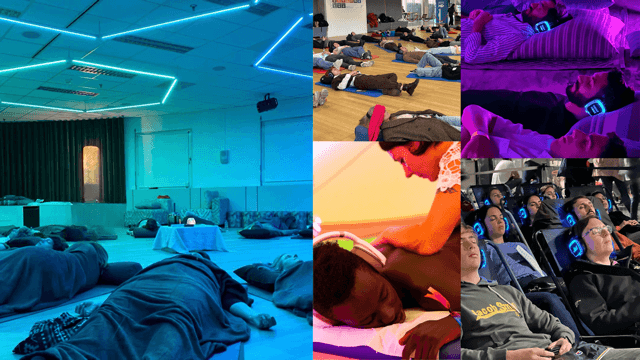
As a sound artist and producer, I explore how immersive audio reshapes modern well-being. Beyond stereo, spatial listening activates perception, emotions, and collective experiences. In this article, I’m going to show you how and why.
Francisco López delves into his decades-long work with autonomous sonic systems, which goes beyond today's prompt-based AI. From his visionary concept of a "sonic alter ego" to live performances by AI-driven entities such as PEPA and HARING, López makes a case for artistic collaboration with evolving, unknowable systems. It is a compelling call to embrace the potential of machine creativity and rethink what it means to compose.
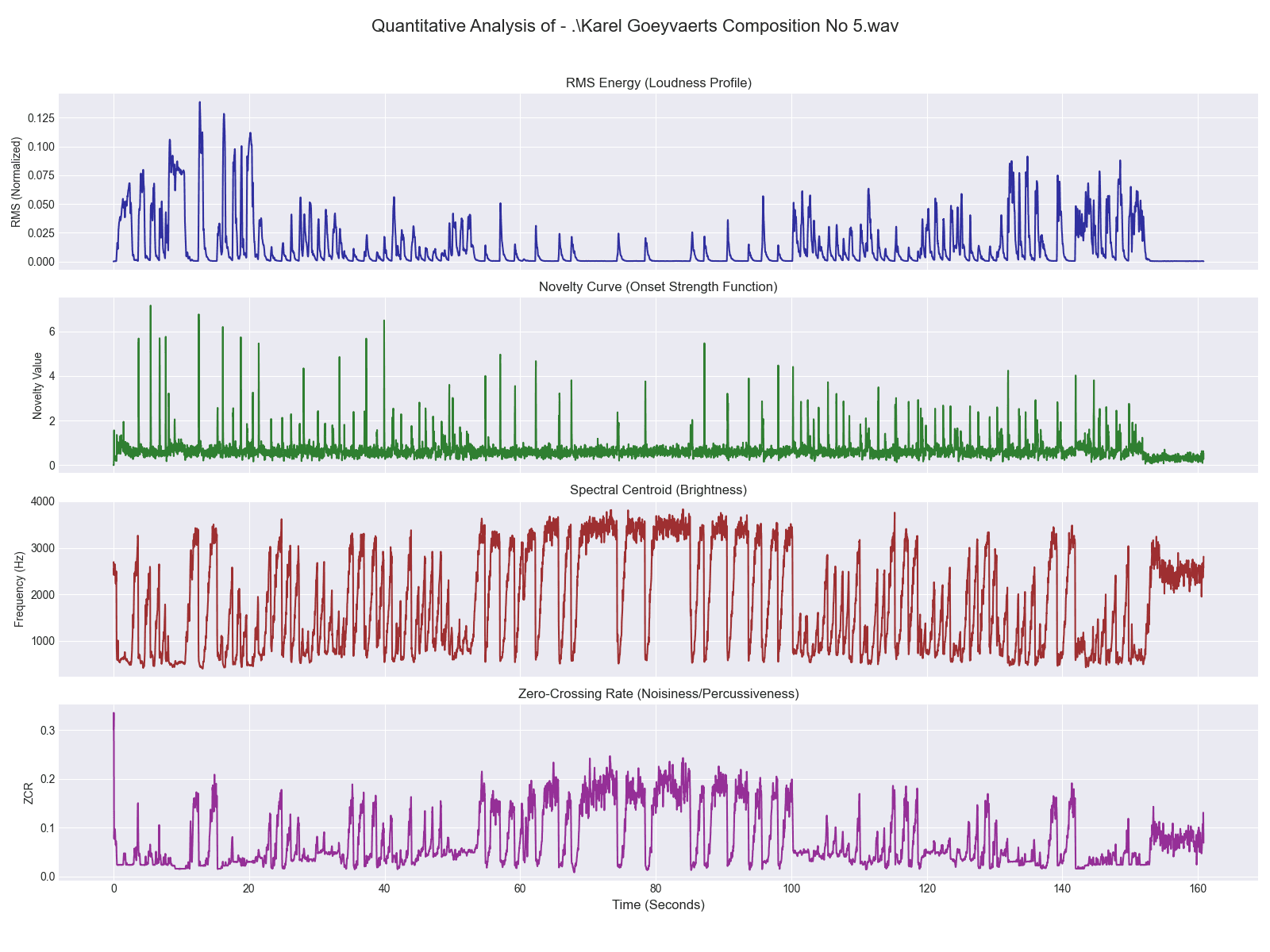
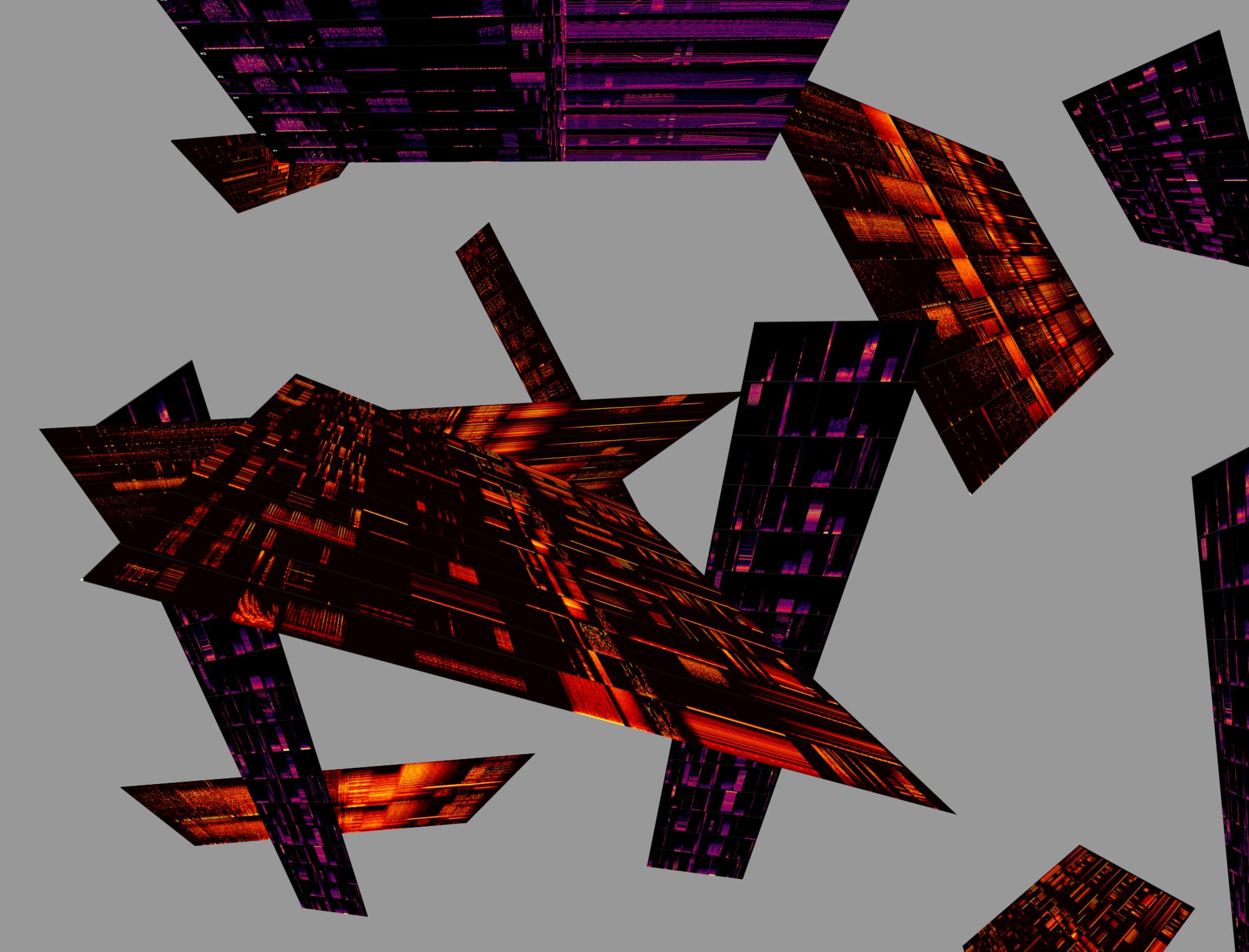
Analyzing complex and often abstract forms of sonic expression presents unique challenges, moving beyond traditional score-based methods focus on the inherent qualities of the sound itself. To address this, computational tools have become invaluable, offering objective insights into the sonic landscape of electroacoustic works. But how to apply these tools in real-life situations, and how to easily interpret data collected during analysis?
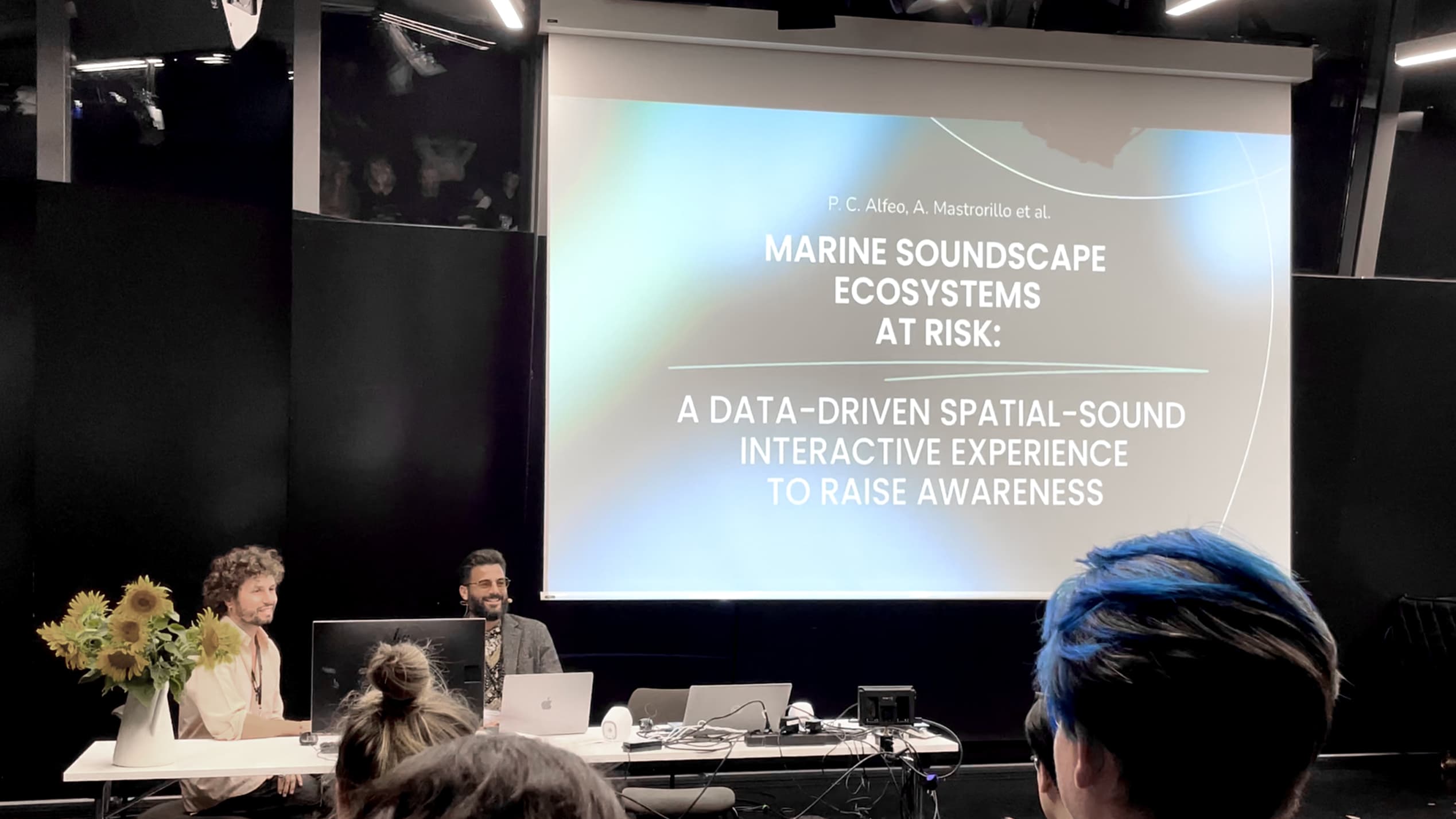
504 Ways Of Listening is an immersive interactive installation that transforms underwater acoustic data into three-dimensional soundscapes. It reveals the impact of human-made noise in the oceans and invites deep listening as a way to reconnect with marine ecosystems.
Whether you’re an artist searching for new ways to work with space and sound, or you run an art center, research lab, residency or a festival looking to expand what you can offer, the landscape of spatial sound is changing. This article is about those changes, the challenges many of us face, and a new approach leaving our Spatial Sound R&D Lab and entering the world — codenamed the "Singing Watermelons" — inviting the curious minds and unstoppable artists to help shape what comes next.
Converting multichannel electroacoustic compositions for headphone listening presents unique technical and artistic challenges. How do we preserve spatial intent while adapting to binaural playback?
Transmedia composition unfolds across multiple interconnected works using different media-constellations. This essay explores how the relationships between the works generate meaning, and how different modes-of-encounter invite various forms of perception and interpretive possibilities.
New research reveals how musicians truly connect with audiences: it's not technical perfection, but expressive and improvisational playing that drives emotional alignment—measurable through sound, brainwaves, and machine learning.
What happens to music when everyone becomes a composer? This article explores John Cage’s vision of an “anarchic society of sounds” as it unfolds in today’s participatory music culture. The narrative traces developments from historical experiments to generative AI, all informed by the author’s firsthand experiences.
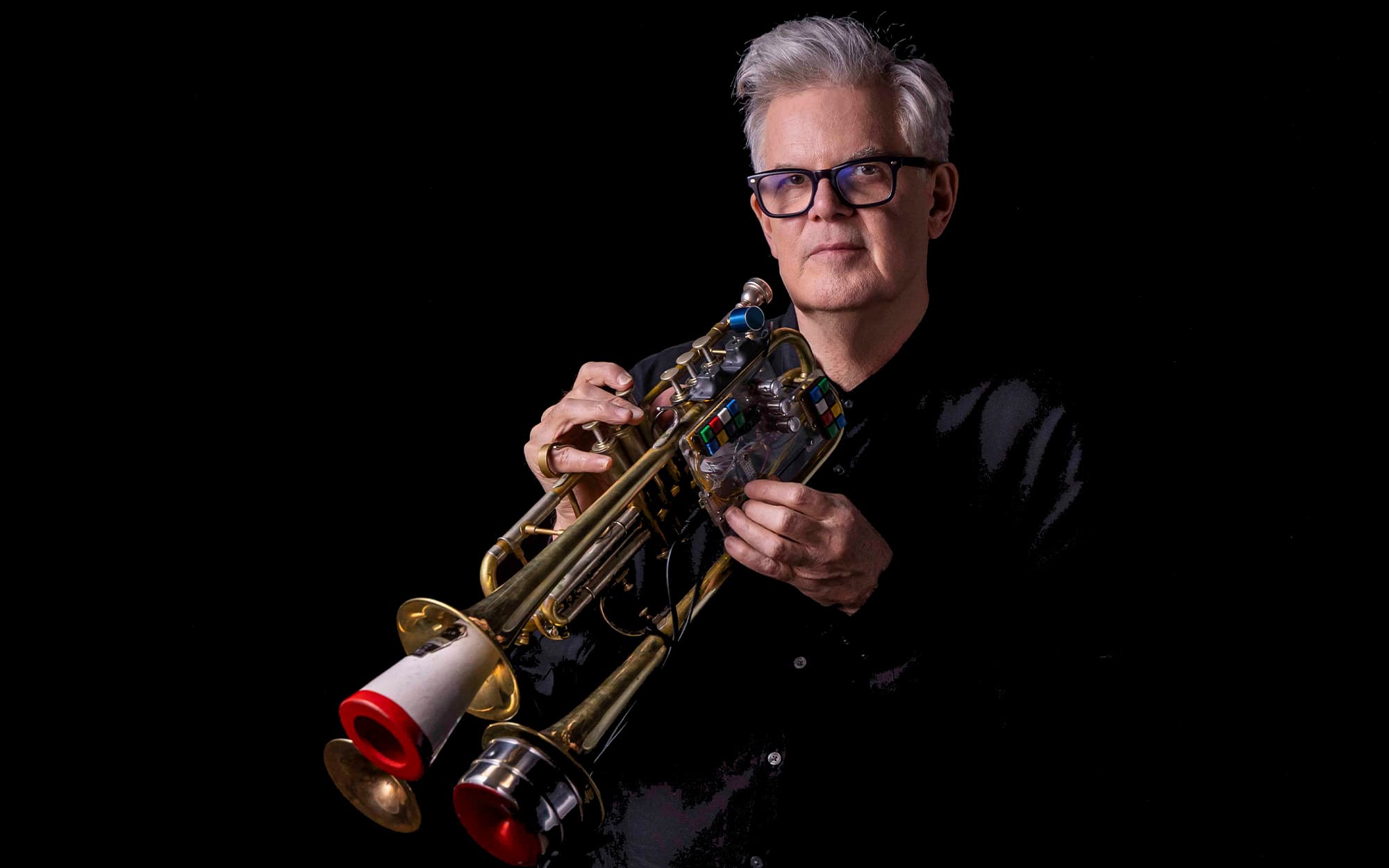
In an excerpt from Semi-Conducting: Rambles Through the Post-Cagean Thicket (Bloomsbury 2025), Nic Collins describes the origins in the early 2000s of his workshops and books on hardware hacking as a response to the lack of tactility in digital tools for sound.
What does a quantum state sound like? What if the invisible dance of quantum bits could not only be heard but also seen? Here, we explore how quantum circuits become instruments of artistic expression, uniquely combining quantum music and fractal art - two fields never before merged - to generate visuals and sound shaped by quantum mechanics.
The 3rd age of multichannel diffusion research focuses on the design of so-called primary forest spaces. In order to specify a terminology that would better define the spaciotemporal metric of sound masses and the geodesic path of each of them in its curved space-time, the term volumiphony seems the most appropriate to define 3D multichannel diffusion.
Dynamic Time Warping is a method for analyzing time series. In my work, I use Dynamic Time Warping as a means to create transitions between sound sequences as compositional material. My article attempts to contextualize my aesthetic and technical approaches in relation to this algorithm.
Ircam Spat is an extensive toolkit for spatial audio. Running in the Max environment, it features more than 300 modules, including audio processors, control objects, and graphical user interfaces, encompassing state-of-the-art spatialization techniques. Its highly flexible and modular design enables its use across various applications, such as concerts, mixing, post-production, virtual and augmented reality, sonic installations, and sound design. This versatility makes Spat a Swiss army knife for spatial sound.
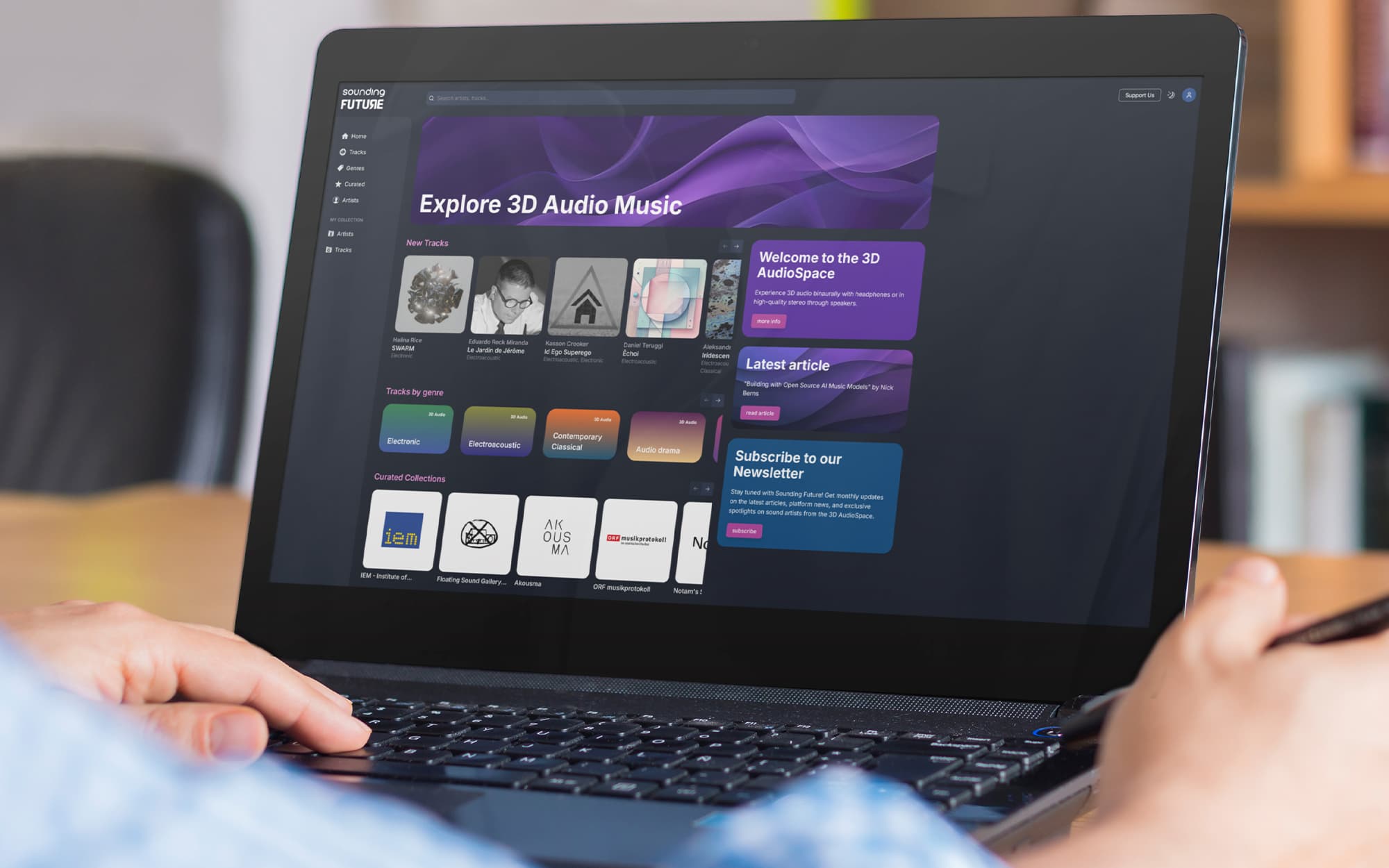
In the 3D AudioSpace of Sounding Future, artists present their audio tracks in high-quality 3D audio. To kick things off, I'm introducing the features of the new audio streaming platform here.