
Laetitia Sonami
Laetitia Sonami
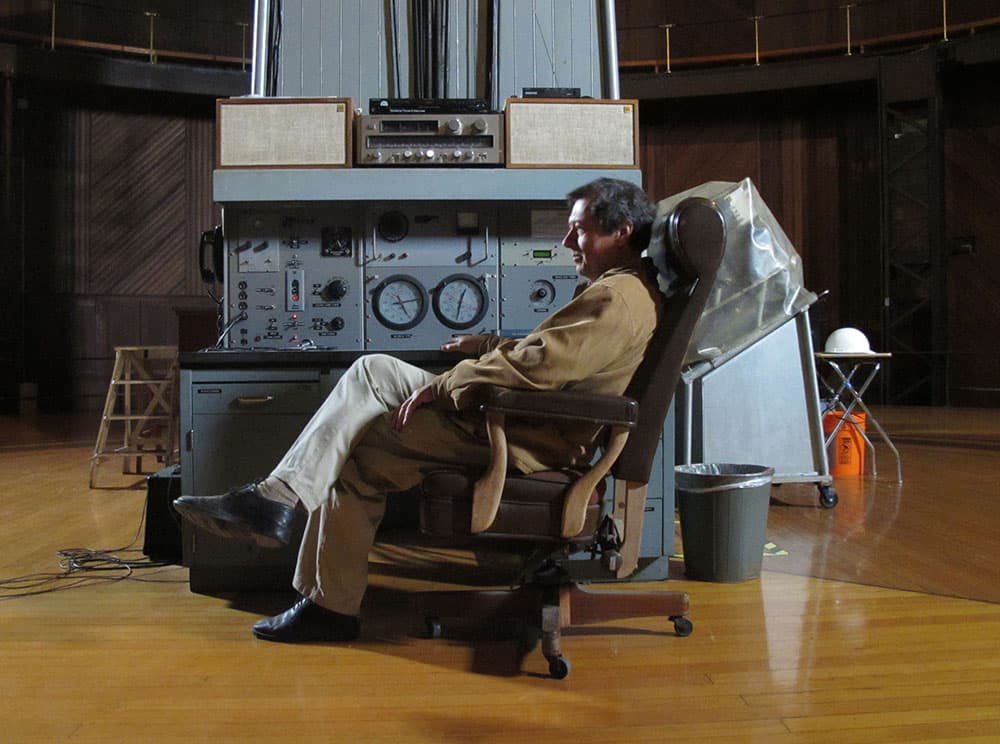
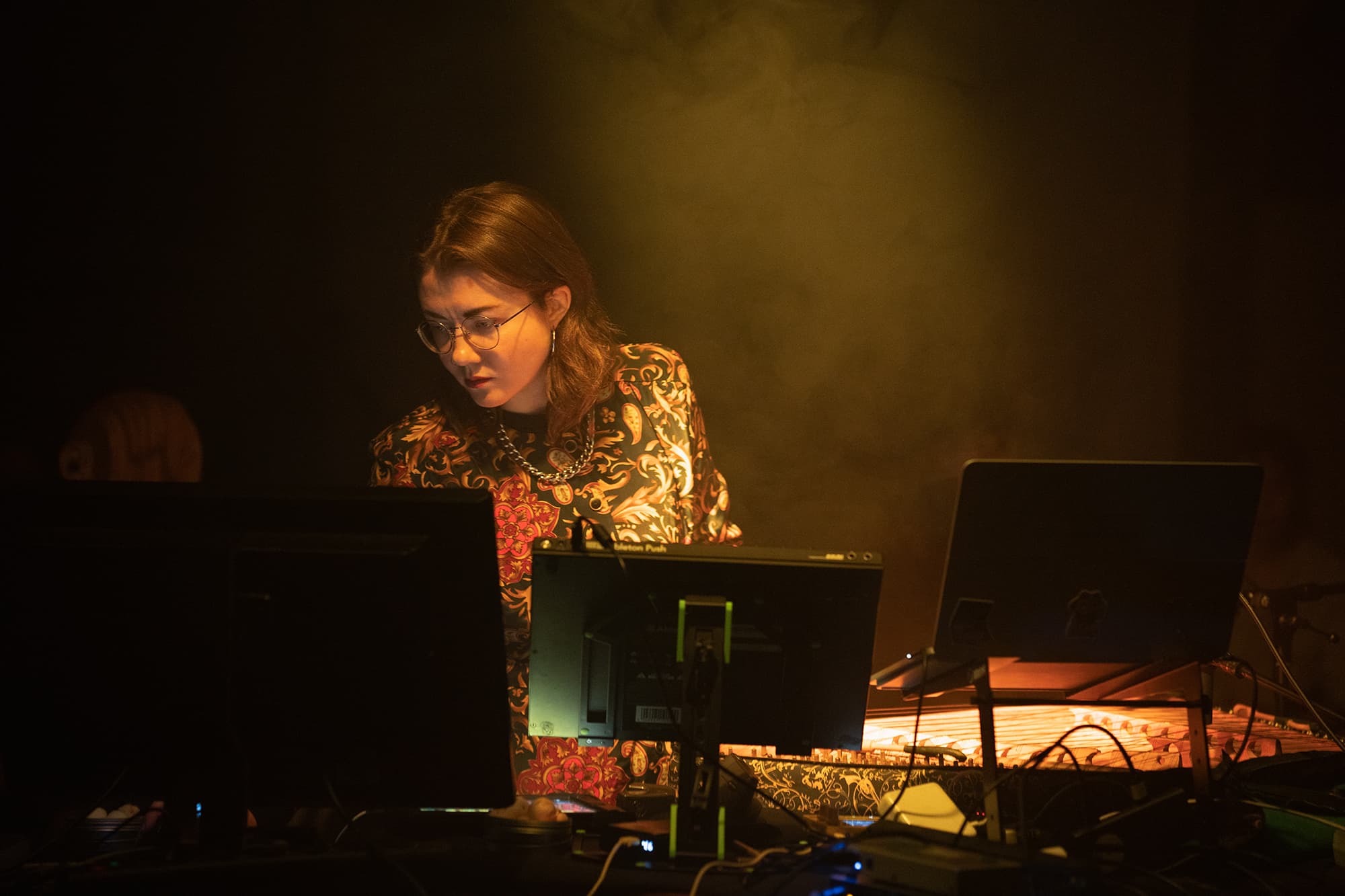
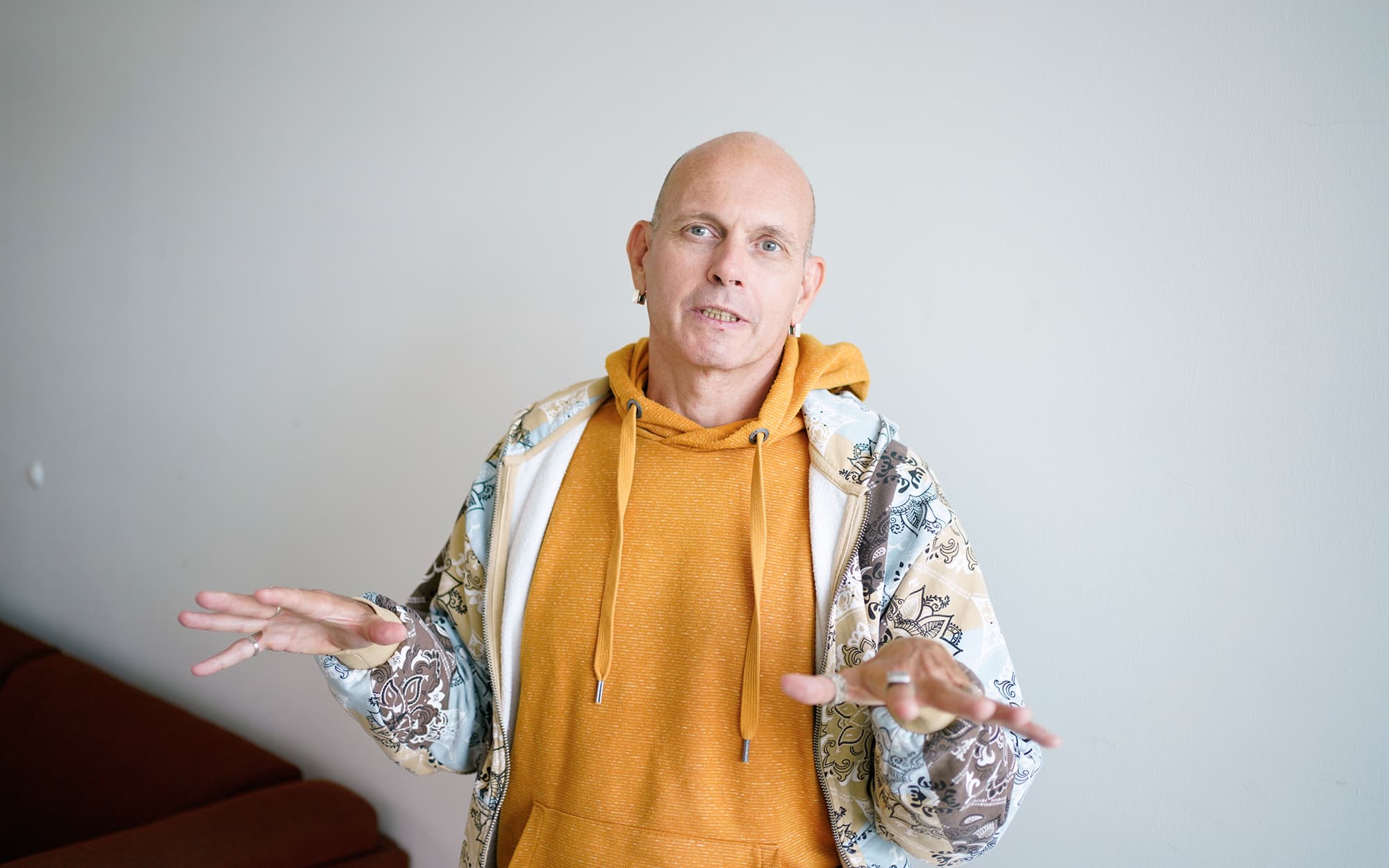
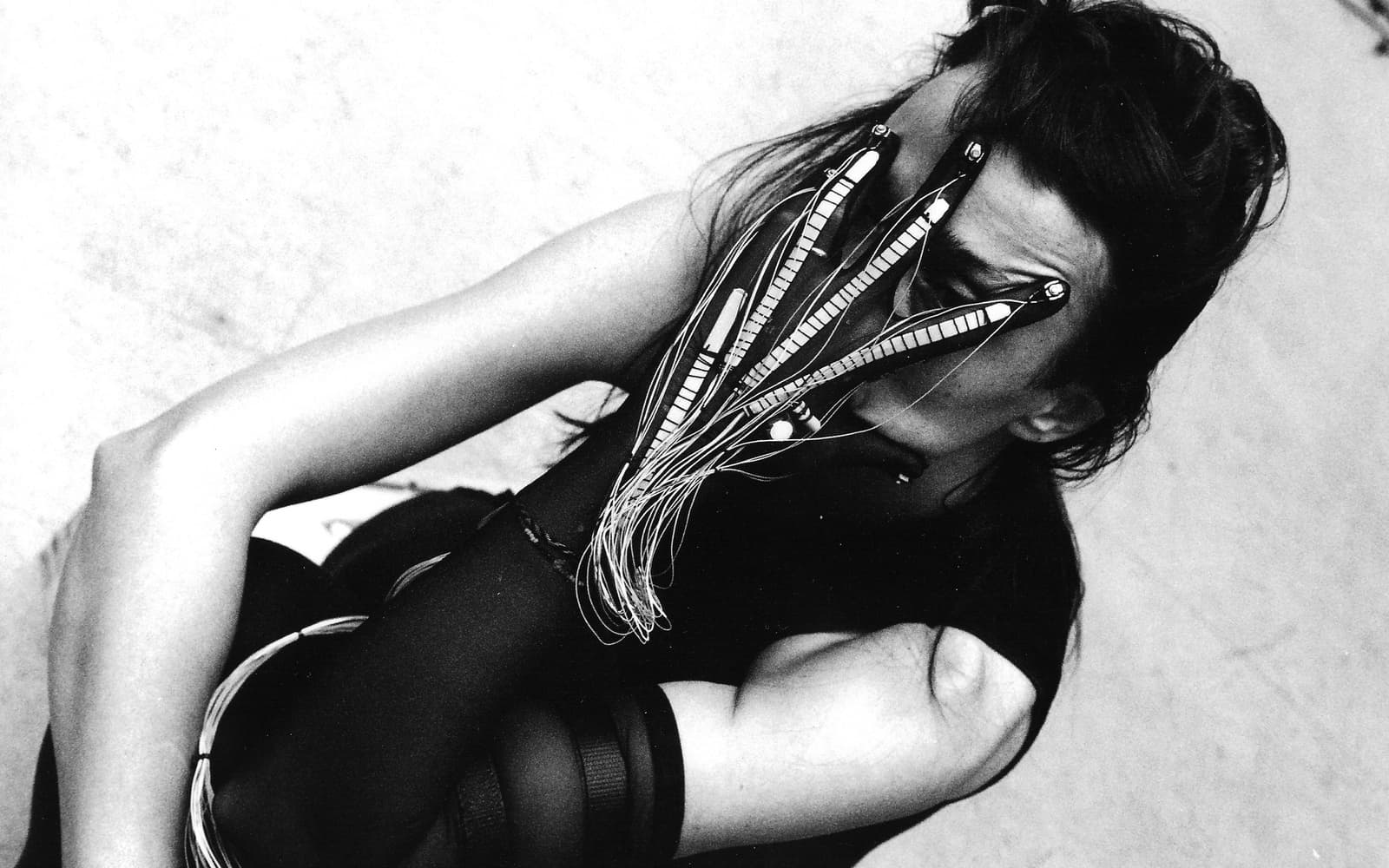
Laetitia Sonami is a pioneering French sound artist and performer whose work has redefined the relationship between body, technology, and sound. After studying with Éliane Radigue in France, she moved to the United States in 1977 to pursue electronic music at SUNY-Albany and the Center for Contemporary Music at Mills College. Her performances, live film collaborations, and sound installations explore presence, participation, and the intimacy of sound, transforming places and objects into poetic interfaces of perception. A pioneer in wearable technologies, Sonami designed gestural controllers that turned movement into sound. Her iconic “lady’s glove” (1991)—an elegant, sensor-laden interface—became her primary instrument for 25 years and inspired a generation of artists to rethink the body’s role in electronic performance. Continuing her exploration of embodied interfaces, she developed the “Spring Spyre” (2013), integrating machine learning into real-time sound synthesis, and more recently the minimalist “lady’s ball(s)”.
Eliane Radigue started her electronic music career in the 1950s. A student of Pierre Schaeffer, she later became assistant to Pierre Henry. Eliane first started exploring pieces using feedback techniques and later adopted the ARP 2500 modular system which she used as her instrument for more than 30 years. In 2000 she created her last piece for the APR and tape, L’Ile Re-Sonante, for which she received the Ars Electronica Golden Nica. Since 2001 she has composed mostly for acoustic instruments. Major works include Geerliande, Adnos, Jestun Mila, Trilogie de la Mort, Naldjorlak and the more recent OCCAM series. Recent publications exploring the life and work of Eliane Radigue: “Eliane Radigue - Intermediaty Spaces, Espaces Intermédiaires” Julia Eckhardt (Umland Editions), “Entretiens avec Eliane Radigue” Bernard Girard (Editions Aedam Musicae), and “Eliane Radigue – Portraits Polychromes” (Institut National de l’audiovisuel)
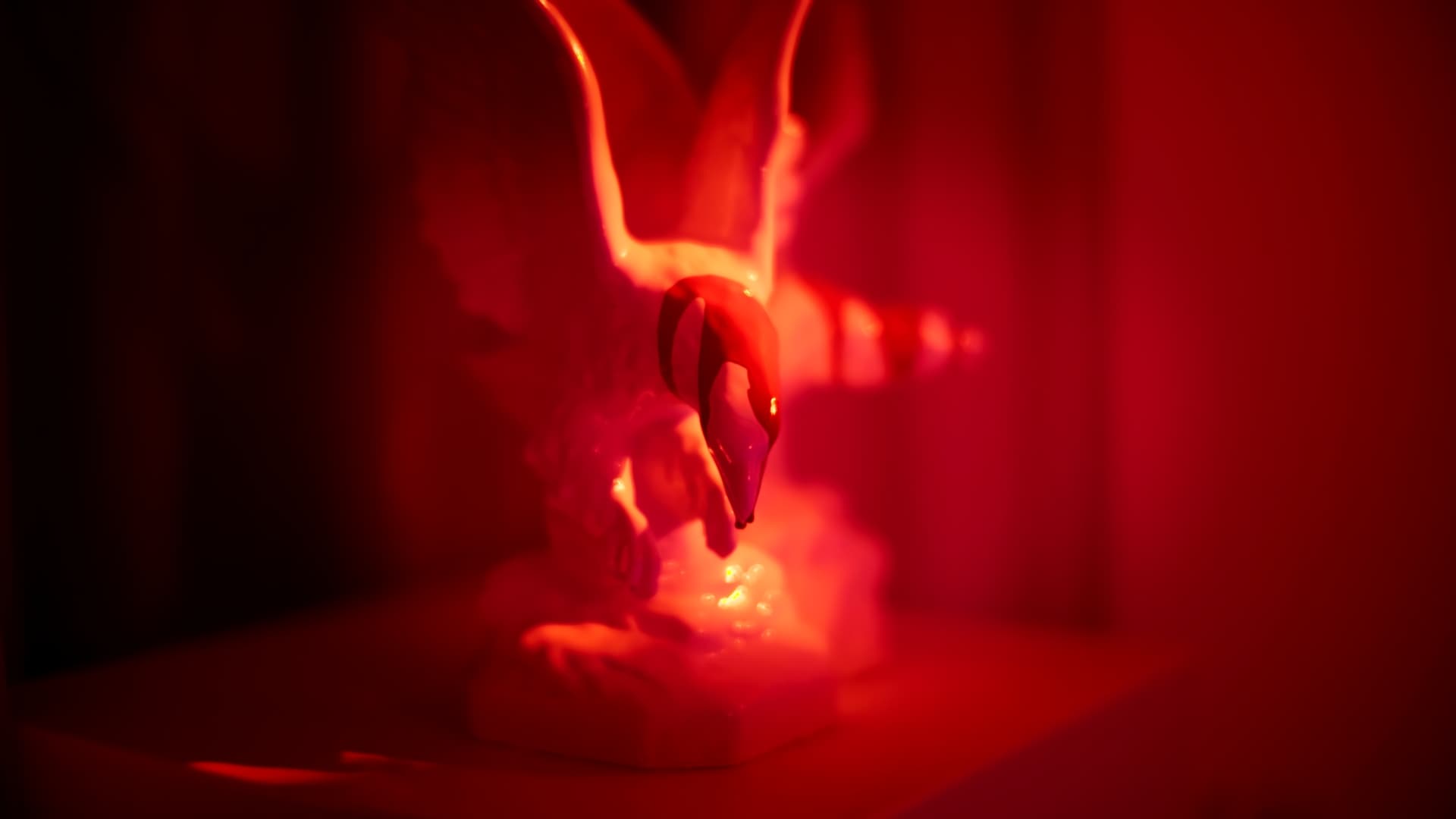
Paul DeMarinis has been working as an electronic media artist since 1971 and has created numerous performance works, sound and computer installations and interactive electronic inventions. One of the first artists to use computers in performance, he has performed worldwide. Much of his recent work deals with the areas of overlap between human communication and technology. Major installations include "The Edison Effect" which uses optics and computers to make new sounds by scanning ancient phonograph records with lasers, "Gray Matter" which uses the interaction of flesh and electricity to make music, "The Messenger" that examines the myths of electricity in communication and recent works such as "RainDance" and "Firebirds" that use fire and water to create the sounds of music and language. Public artworks include large scale interactive installations at Park Tower Hall in Tokyo, at the Olympics in Atlanta and at Expo in Lisbon and an interactive audio environment at the Ft. Lauderdale International Airport. He has been an Artist-in-Residence at The Exploratorium and at Xerox PARC and is currently a Professor of Art at Stanford University in California.